10 Bad Signs After ACL Surgery You Shouldn’t Overlook
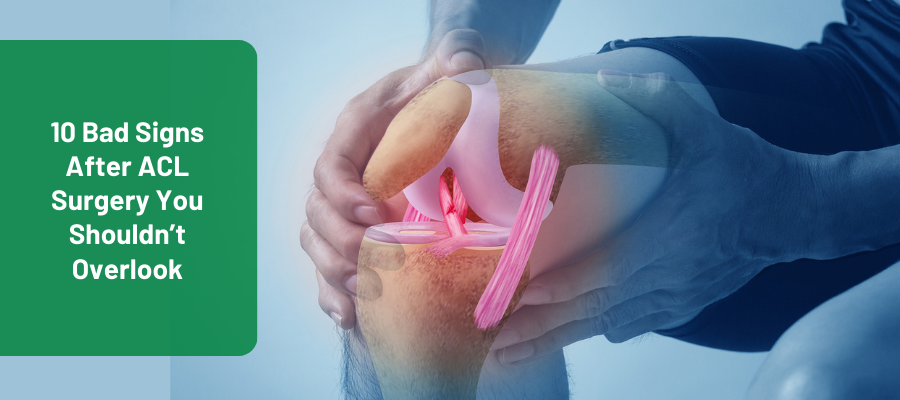
Recovering from ACL surgery is a journey that takes time, patience, and care.
While some swelling, stiffness, and mild discomfort are expected, not every symptom is a normal part of the recovery process.
Recognizing the bad signs after ACL surgery can help you take prompt action and prevent serious complications. Whether it’s persistent pain, fever, or instability in your knee, knowing when to worry after ACL surgery ensures you stay on the right track toward a safe and successful recovery.
10 Bad Signs After ACL Surgery: Warning Symptoms
Recovering from ACL surgery usually comes with some soreness, swelling, and stiffness but certain symptoms could mean something’s not right. If you notice any of the following, don’t ignore them.
These are the bad signs after ACL surgery that signal it’s time to seek professional help:
About
Tarabichi Joint Care
At Tarabichi Joint Care, we are dedicated to offering world-class orthopedic care with a focus on joint health and comprehensive rehabilitation. Founded by the renowned Dr. Samih Tarabichi, a pioneer in joint replacement in Dubai, our center stands as a beacon of excellence in the Middle East and beyond. With cutting-edge technologies, a patient-centered approach, and a team of highly specialized professionals, we strive to enhance the quality of life for individuals suffering from joint-related conditions.
1. Severe pain not improving with medication
Pain is expected after ACL reconstruction, especially during the first week after ACL surgery, but it should gradually decrease.
If your pain worsens, becomes sharp or throbbing, or doesn’t improve even with medication, it may indicate infection, nerve irritation, or graft issues.
Persistent pain beyond the usual timeline after ACL reconstruction should always be checked by your surgeon.
2. Abnormal bruising or swelling
Some bruising and swelling are part of normal healing, but excessive or rapidly spreading discoloration isn’t.
If your knee or leg suddenly swells up, feels tight, or the bruising deepens instead of fading, it may indicate bleeding under the skin or internal inflammation.
Persistent swelling that doesn’t improve with rest, ice, or elevation should be assessed to prevent long-term joint stiffness or fluid buildup.
3. Warmth or redness near the incision
A warm sensation or slight redness around the incision is expected for a few days.
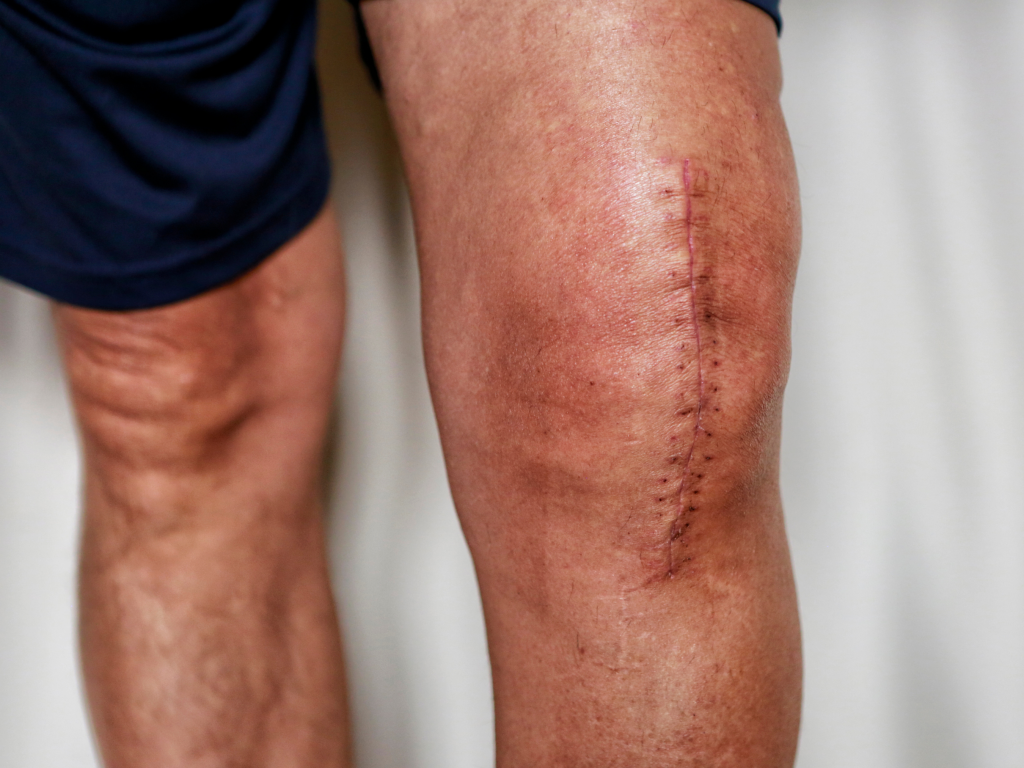
However, if the area becomes increasingly red, hot, or tender, it may signal an infection developing beneath the surface.
When accompanied by swelling, throbbing pain, or pus, this becomes one of the most urgent bad signs after ACL surgery and needs immediate medical evaluation to prevent it from spreading deeper into the joint.
4. A reduced or deteriorating range of motion
Gradual improvement in knee movement is a key part of recovery.
If you suddenly find it harder to bend, straighten, or move your knee, it might be due to scar tissue buildup, inflammation, or improper rehabilitation.
Losing flexibility rather than gaining it signals your recovery isn’t progressing as expected. Consult your physiotherapist or surgeon before continuing any exercises that worsen stiffness.
5. Strange sounds in the knee
Hearing or feeling strange sensations, such as popping, clicking, or grinding, can be unsettling.
While some harmless noise may occur as tissues heal, consistent or painful sounds could mean something inside your knee isn’t functioning correctly—possibly the graft, cartilage, or meniscus.
If these noises are paired with discomfort, weakness, or swelling, don’t ignore them. Early assessment can help prevent long-term instability or joint damage.
6. Chills or fever
A fever above 101°F (38°C) or unexplained chills are clear warning signs of infection. Your body might be fighting bacteria at the incision site or even inside the joint.
If this occurs with pain, swelling, or drainage, it’s crucial to contact your doctor right away. Ignoring a fever after ACL surgery can lead to more severe infections, which may compromise the graft and significantly prolong recovery.
7. Numbness or tingling
Temporary numbness near the incision is normal, but if the sensation spreads down your leg or is accompanied by tingling, burning, or weakness, it could suggest nerve irritation or compression. This might occur due to swelling pressing on a nerve or improper healing around the graft area.
Persistent numbness should always be discussed with your surgeon to rule out nerve damage or poor circulation in the affected limb.
8. Unusual drainage or pus
Clean incisions typically ooze clear fluid initially, but thick, discolored, or foul-smelling discharge is a serious red flag.
Pus, characterized by a yellow or green fluid or an unpleasant odor, usually indicates an infection. Left untreated, it can spread into the joint and threaten the success of the surgery.
Contact your doctor immediately if you notice any unusual drainage, especially when combined with pain, swelling, or warmth.
9. Unsteadiness or knee giving way
Your knee should feel progressively stronger as you recover.
If it starts to buckle, wobble, or give way when walking or standing, it may indicate the ACL graft isn’t stable or hasn’t healed properly.
This instability can increase your risk of reinjury and long-term damage. Avoid putting pressure on the knee until evaluated by your orthopedic specialist or physiotherapist.
10. Blood clots (Deep Vein Thrombosis)
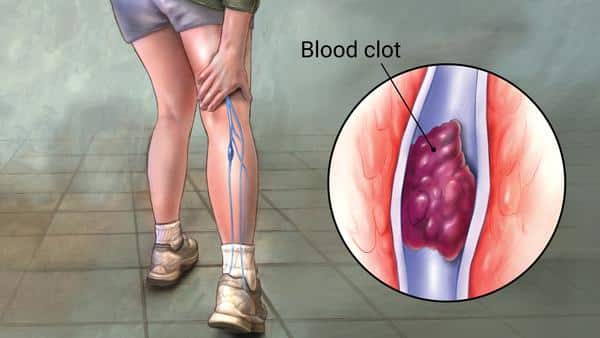
Pain, swelling, or tightness in the calf after ACL surgery can signal Deep Vein Thrombosis (DVT), a potentially life-threatening blood clot. You may also notice warmth, redness, or visible veins.
This condition requires immediate medical attention, as a clot can travel to the lungs and cause a pulmonary embolism. Contact your doctor immediately if you experience these symptoms to ensure prompt and safe treatment.
Factors That Influence ACL Surgery Recovery
Every patient’s recovery journey is unique, and several factors affect how quickly and successfully your knee heals after ACL surgery. Understanding these factors can help you set realistic goals and follow the right steps toward full recovery.
- Type of surgery: Full ACL reconstruction generally takes longer to heal than partial repair.
- Age & health: Younger, active patients recover faster than older individuals or those with underlying conditions.
- Surgeon’s expertise: An experienced ACL surgeon ensures precise results and smoother recovery.
- Rehabilitation: Consistent physiotherapy is crucial for regaining knee strength, flexibility, and stability.
- Lifestyle choices: Smoking, poor diet, or ignoring medical advice can delay healing and increase risks.
Importance of Rehabilitation Compliance
Commitment to your rehabilitation plan after ACL surgery is key to achieving a full and safe recovery.
Regular physiotherapy, guided exercises, and gradual activity progression ensure your knee heals correctly and regains its strength and stability.
- Promotes healing: Supports tissue repair and strengthens the knee.
- Reduces complications: Lowers the risk of stiffness and issues like Deep Vein Thrombosis (DVT).
- Restores mobility and strength: Improves flexibility, balance, and joint control.
- Boosts success rates: Patients who stay consistent recover more quickly and return to activity with greater confidence.
- Enhances mental readiness: Maintains focus and motivation for safe return to sports.
What You Can Do:
Attend all physiotherapy sessions, follow the prescribed home exercises, maintain a good diet, and avoid rushing back into intense activities too soon. Open communication with your physiotherapist and surgeon ensures your recovery stays on track.
High compliance with rehabilitation significantly improves recovery outcomes. By staying consistent and patient, you can maximize your chances of regaining full function and returning to your pre-injury performance level, ensuring lasting knee health.
Common FAQ's
During the first week after ACL surgery, expect mild pain, swelling, stiffness, and some bruising. Following your surgeon’s advice, elevating the leg, using ice, and starting gentle mobility exercises help manage discomfort and support early healing.
Septic arthritis after ACL reconstruction is a rare but serious joint infection. Symptoms include redness, warmth, swelling, fever, or unusual drainage.
Some mild looseness may occur early, but persistent instability or your knee “giving way” is not normal. If it continues beyond the early recovery phase, consult your surgeon to ensure the graft is healing correctly and to prevent reinjury.
Expert ACL Care You Can Trust
With over 2,000 ACL reconstructions successfully performed and 35 years of unparalleled experience, Tarabichi Joint Care stands as a benchmark for excellence in joint health and orthopedic surgery. Under the visionary leadership of Dr. Samih Tarabichi, widely regarded as the “Godfather of Joint Care,” the clinic provides world-class, personalized solutions for ACL injuries and recovery.
Whether you are preparing for surgery or navigating post-operative rehabilitation, the team ensures expert guidance, cutting-edge techniques, and comprehensive care at every step. Prioritize your knee health and recovery with trusted specialists who have decades of proven expertise.
Get Your Appointment For Expert Joint Care
At Tarabichi Joint Care, we are dedicated to providing exceptional orthopedic treatment in Dubai. We specialize in the Enhanced Recovery Program, which emphasizes on quicker healing post-surgery. If you’re considering knee replacement surgery, let us help you on your journey to pain-free living.