What To Expect Before And After Knee Replacement Surgery?
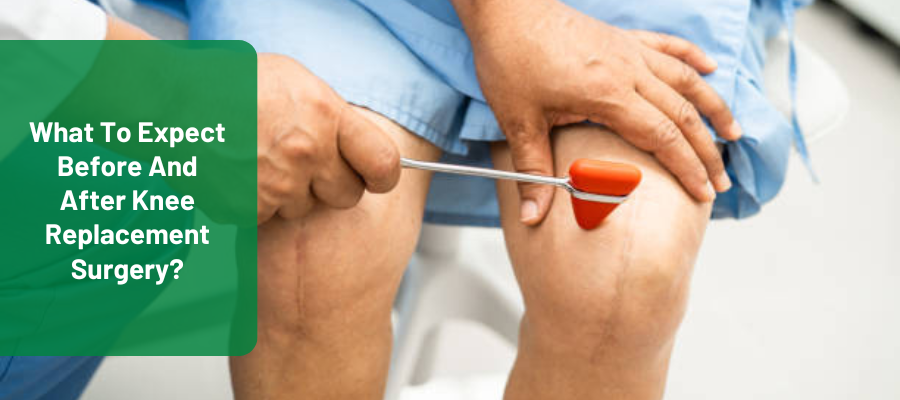
Undergoing total knee replacement surgery is a life-changing decision, offering relief from chronic pain and restoring the freedom of mobility.
At Tarabichi Joint Care, led by expert knee surgeons, we understand that preparing for this procedure can come with questions and anxiety. Our goal is to make your journey as smooth and predictable as possible.
This comprehensive guide breaks down the process into clear phases, covering everything from preparing for knee surgery to maximizing your knee mobility after replacement. Knowing what to expect at every step empowers you to achieve the best possible outcome.
Before and After Knee Replacement Surgery
About
Tarabichi Joint Care
At Tarabichi Joint Care, we are dedicated to offering world-class orthopedic care with a focus on joint health and comprehensive rehabilitation. Founded by the renowned Dr. Samih Tarabichi, a pioneer in joint replacement in Dubai, our center stands as a beacon of excellence in the Middle East and beyond. With cutting-edge technologies, a patient-centered approach, and a team of highly specialized professionals, we strive to enhance the quality of life for individuals suffering from joint-related conditions.
Phase 1: Before your knee replacement surgery
Preparation is the cornerstone of a successful surgery and recovery. This phase begins long before you step into the operating room.
1. Initial consultation and diagnosis
The first step is a thorough consultation with your knee surgeon. This involves a physical examination, review of your medical history, and typically X-rays.
At this stage, we confirm the extent of the damage to the knee joint (usually caused by severe arthritis) and determine if knee replacement is the appropriate course of action.
Your surgeon will customize your procedure, discussing the best implant type and surgical technique for your needs.
2. Medical and physical preparation (Pre-habilitation)
Once the surgery is scheduled, a crucial period of preparation begins:
Medical clearance: You will undergo pre-operative tests, including blood work and an EKG, and may also be required to consult with a cardiologist or anaesthesiologist to ensure you are healthy enough for the procedure.
Medication review: Your surgical team will review all medications, specifically advising on when to discontinue taking blood thinners, certain anti-inflammatory drugs, and supplements.
Pre-habilitation (Pre-hab): By starting a light exercise program to strengthen your quadriceps and hamstrings, you can dramatically improve your knee mobility after replacement. A stronger body going into surgery means a faster recovery.
Dental check: Believe it or not, dental health is essential! Any active infection should be treated before joint replacement to minimize the risk of bacteria entering the bloodstream and infecting the new joint.
3. Preparing your home
Making a few simple changes to your home environment can significantly enhance safety during your initial knee replacement recovery time.
Remove hazards: Clear throw rugs, loose wires, and clutter that could pose a tripping risk.
Establish a recovery zone: Set up a comfortable living area on the main floor if possible, to minimize stair climbing. Ensure essentials, such as phones, TV remotes, and medications, are within easy reach.
Install safety aids: Consider installing grab bars in the shower or near the toilet and using a shower chair.
Arrange support: Secure help from family or friends for the first few weeks to assist with tasks such as cooking, driving, and daily chores. This diligent process of preparing for knee surgery ensures a smoother transition back home.

Phase 2: The hospital stay and immediate recovery
The surgery typically lasts between one and two hours. Immediately afterward, the focus shifts to controlling discomfort and initiating movement.
1. Advanced pain management
Modern total knee replacement procedures incorporate multi-modal pain management after knee surgery. This often includes a combination of:
Nerve blocks: A local anaesthetic injection numbs the area for several hours, providing immediate relief.
Oral medications: A scheduled regimen of anti-inflammatories, Tylenol, and short-term prescription pain medication.
Ice therapy: Consistent icing helps reduce swelling and discomfort. This contemporary approach ensures pain is controlled, allowing you to participate fully in physical therapy.
2. Early mobilization
The most critical difference between current protocols and older methods is the emphasis on early mobilization. Within hours of surgery, or indeed the next day, a physical therapist will help you stand and begin taking small steps, often with the aid of a walker or crutches.
Goal: To safely begin flexing the new joint and prevent stiffness.
Duration: The typical hospital stay is relatively short, often just 1 to 3 nights, depending on your health and progress.
Phase 3: The long-term knee replacement recovery time
The actual work of recovery happens when you return home. Patience and commitment to physical therapy are essential during this phase.
1. Weeks 1–3: Regaining motion and strength
This initial period is the most challenging. You will likely transition from hospital-based physical therapy to in-home or outpatient sessions.
Physical therapy focus: The primary goal is achieving flexion (bending) and extension (straightening). Improving knee mobility after replacement is heavily reliant on consistent, daily exercises.
Managing swelling: Swelling is normal. Elevate your leg above your heart as often as possible and continue using ice therapy.
Activity: You will continue using crutches or a walker. Short walks are encouraged, but rest is also vital for healing. Most patients regain their ability to drive within 2 to 4 weeks (for the right leg) if they are off narcotic pain medication.
2. Weeks 4–6: Increased independence
By the end of the first month, you will feel significantly stronger and more independent.
Therapy progression: Therapy focuses on functional activities, such as climbing stairs, increasing walking distance, and balance training.
Pain transition: Most patients reduce or eliminate prescription pain management after knee surgery, relying mainly on over-the-counter medication.
Return to work: Depending on the physical demands of your job, many individuals with desk-based roles can return to work during this period.
3. Months 3–6 and beyond: Full restoration
While significant progress is made early, recovery continues for up to a year. By three months, most patients:
- Can walk without assistive devices.
- Can resume most daily activities and hobbies.
- It is essential to continue a regular, low-impact exercise regimen (like swimming, walking, or cycling) to maintain strength and flexibility.
- To prevent premature wear on the implant, you must avoid high-impact activities like running or jumping.
Why Choose Tarabichi Joint Care?
At Tarabichi Joint Care, our comprehensive approach ensures a seamless experience before and after knee replacement surgery.
Specialized expertise: Our knee surgeon utilize the latest techniques and minimally invasive approaches, often resulting in less tissue damage and faster recovery times.
Personalized protocol: We tailor prehab, surgery, and postoperative pain management after knee surgery to meet your individual needs and lifestyle goals.
Dedication to mobility: We are focused on restoring not just function, but maximum knee mobility after replacement, giving you the quality of life you deserve.
Your Joint Journey Is Our Priority.
Total knee replacement surgery is a journey that requires commitment, but the reward—a life free from debilitating pain and full of mobility, is profound. By focusing on diligent preparation and dedicated adherence to your recovery plan, you are setting yourself up for a successful outcome.
Ready to take the first step toward a pain-free life?
Contact Tarabichi Joint Care today to schedule a consultation with our expert knee surgeon.

Get Your Appointment For Expert Joint Care
At Tarabichi Joint Care, we are dedicated to providing exceptional orthopedic treatment in Dubai. We specialize in the Enhanced Recovery Program, which emphasizes on quicker healing post-surgery. If you’re considering knee replacement surgery, let us help you on your journey to pain-free living.