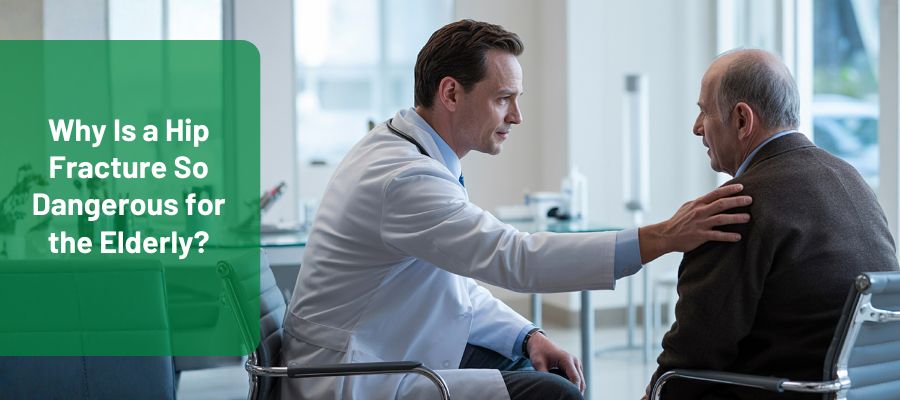
Why Is a Hip Fracture So Dangerous for the Elderly?
Know Why is a Hip Fracture so Dangerous
A fall can have life-changing consequences for an older adult.
What may seem like a single injury can quickly become a serious medical event that affects mobility, independence, and overall health. This is why families and doctors often ask: why is a hip fracture so dangerous for the elderly?
For ageing individuals, weaker bones, reduced muscle strength, and existing health conditions make recovery far more challenging. Broken hips are not just painful injuries, they can lead to immobility, complications, and in some cases even life-threatening outcomes. This is also why the hip fracture mortality rate remains a serious concern in elderly patients worldwide.
Understanding why is a broken hip is so dangerous for the elderly is the first step towards recognising the urgency of proper treatment and specialised orthopaedic care.
About
Tarabichi Joint Care
At Tarabichi Joint Care, we are dedicated to offering world-class orthopedic care with a focus on joint health and comprehensive rehabilitation. Founded by the renowned Dr. Samih Tarabichi, a pioneer in joint replacement in Dubai, our center stands as a beacon of excellence in the Middle East and beyond. With cutting-edge technologies, a patient-centered approach, and a team of highly specialized professionals, we strive to enhance the quality of life for individuals suffering from joint-related conditions.
What Exactly Happens During a Hip Fracture?
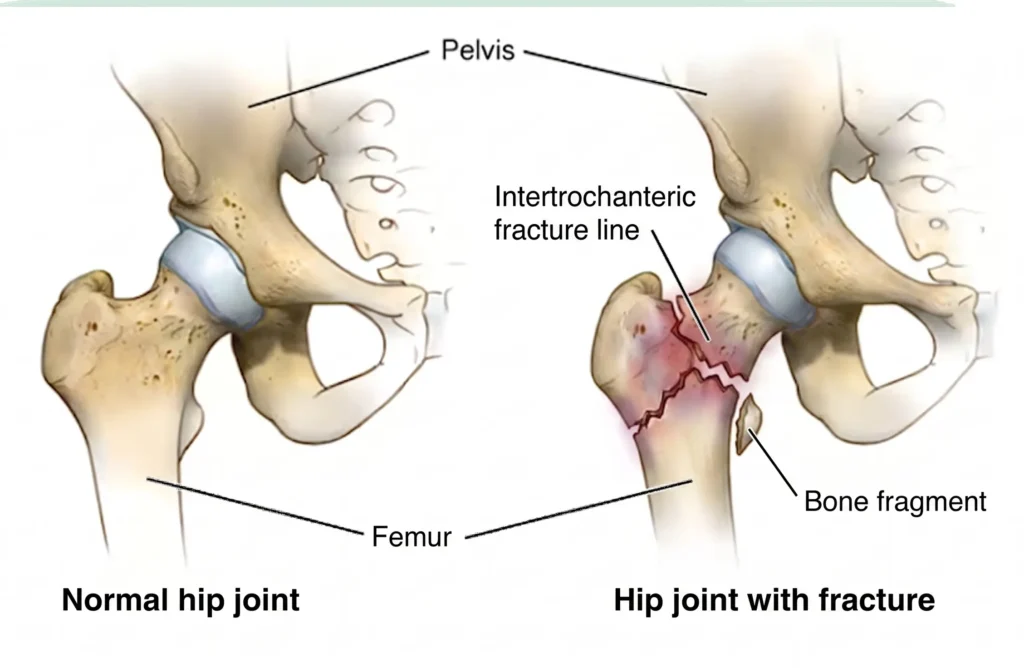
A hip fracture is a break in the upper portion of the femur (thigh bone), which forms the hip joint. These fractures usually occur after a fall, especially in older adults whose bones have become fragile over time.
Common types of broken hips include:
- Femoral neck fractures – occurring just below the ball of the hip joint
- Intertrochanteric fractures – occurring between the neck and shaft of the femur
- Subtrochanteric fractures – occurring further down the femur
Although anyone can experience a hip injury, broken hips are significantly more common in elderly individuals. Reduced bone density, balance issues, muscle weakness, and certain medications all increase the risk.
Because the hip joint is essential for standing, walking, and maintaining balance, damage to this area often results in immediate immobility. This immobility plays a major role in explaining why a hip fracture is so dangerous for the elderly.
Why Is a Broken Hip So Dangerous for the Elderly?
Many people underestimate the seriousness of hip injuries in older adults. The reality is that the body’s ability to recover from trauma decreases with age.
Several factors explain why a broken hip is so dangerous for the elderly:
Loss of mobility
After a fracture, many patients are unable to walk or move without assistance. Even short periods of immobility can lead to muscle loss, reduced circulation, and an increased risk of blood clots.
Complications from prolonged bed rest
When elderly patients remain bedridden for extended periods, they may develop:
- Pneumonia
- Pressure ulcers
- Blood clots
- Urinary infections
These complications are a major reason why doctors emphasise early treatment and rehabilitation.
Existing medical conditions
Many elderly patients already live with heart disease, diabetes, or respiratory conditions. These health issues can worsen after injury or surgery, increasing the risk of complications.
Reduced physiological resilience
Ageing bodies have less capacity to handle trauma, infection, or surgical stress. This is one reason why the hip fracture mortality rate remains a concern worldwide.
For these reasons, experts often explain why does breaking a hip lead to death in some cases if treatment and rehabilitation are delayed.
Why Do Old People Die After Breaking a Hip?
One of the most frequently asked questions by families is: why do old people die after breaking a hip?
The answer rarely lies in the fracture alone. Instead, it is the cascade of medical complications that follow the injury.
Reduced mobility leading to systemic decline
Immobilisation can quickly weaken muscles, affect breathing, and impair circulation. When older patients cannot move freely, their overall health can deteriorate rapidly.
Surgical risks
Many elderly patients require surgery to repair broken hips. Although modern techniques have made procedures safer, surgery still carries risks for individuals with pre-existing conditions.
Infection and complications
Post-operative infections, blood clots, and pneumonia are some of the complications that explain what causes death after a hip fracture.
Frailty and delayed recovery
Frailty syndrome, a condition common in advanced age, reduces the body’s ability to recover from injuries. This is another reason doctors stress the importance of specialised orthopaedic care.
Understanding why breaking a hip leads to death in certain situations highlights the importance of immediate medical intervention and structured rehabilitation.
What Causes Death After a Hip Fracture?
When examining what causes death after a hip fracture, doctors often identify complications rather than the fracture itself as the main factor.
Some of the most common causes include:
- Blood clots (deep vein thrombosis or pulmonary embolism)
- Pneumonia caused by reduced lung activity
- Heart complications triggered by surgical stress
- Severe infections
- Progressive loss of mobility and muscle strength
These factors contribute significantly to the global hip fracture mortality rate among elderly patients.
However, modern orthopaedic treatments, early surgical intervention, and specialised rehabilitation programmes can significantly reduce these risks.
Understanding the Hip Fracture Mortality Rate
Globally, studies show that the hip fracture mortality rate can range between 20% and 30% within the first year after injury in older adults. While these numbers may sound alarming, outcomes vary greatly depending on several factors:
- Age of the patient
- Overall health condition
- Speed of treatment
- Quality of surgical care
- Access to rehabilitation
Timely surgery and expert orthopaedic management can greatly improve survival and mobility outcomes. This is why healthcare providers emphasise comprehensive joint care rather than simply treating the fracture itself.
Hip Replacement Survival Rate in Elderly Patients
In many cases, surgeons recommend partial or total hip replacement to restore mobility and reduce pain.
Encouragingly, the hip replacement survival rate in elderly patients has improved significantly with modern surgical techniques and post-operative care.
Many patients who undergo hip replacement are able to:
- Walk again with assistance
- Regain independence
- Resume daily activities
- Improve overall quality of life
Studies show that the hip replacement survival rate elderly patients experience is strongly linked to early surgery and structured rehabilitation programmes.
For many individuals with broken hips, hip replacement can be the most effective solution to restore function and prevent further complications.
Recognising the Warning Signs of Broken Hips
Prompt diagnosis and treatment are critical when dealing with hip injuries in elderly individuals.
Common symptoms of broken hips include:
- Severe pain in the hip or groin
- Inability to stand or walk
- Shortening of the affected leg
- The leg turning outward
- Swelling or bruising around the hip
If any of these symptoms occur after a fall, immediate medical attention is essential. Early intervention plays a key role in reducing complications and lowering the hip fracture mortality rate.
Prevention Tips to Reduce the Risk of Hip Fractures
While not all injuries can be prevented, several strategies can help lower the risk of broken hips in older adults.
Maintain bone strength
- Adequate calcium and vitamin D intake
- Regular weight-bearing exercise
- Medical management of osteoporosis
Improve balance and mobility
- Strength training
- Balance exercises such as physiotherapy
- Using walking aids if necessary
Create a safer home environment
- Install handrails and grab bars
- Remove loose rugs and tripping hazards
- Ensure proper lighting in hallways and bathrooms
Preventive measures can significantly reduce falls and protect elderly individuals from injuries that explain why a hip fracture is so dangerous.
Orthopaedic Excellence in Hip Fracture Treatment – Trust Tarabichi Joint Care
When it comes to managing broken hips and reducing the risks associated with hip fractures, expert orthopaedic care makes all the difference. Tarabichi Joint Care represents the future of advanced joint treatment in the UAE, setting new benchmarks for orthopaedic excellence in Dubai.
Under the leadership of Dr. Samih Tarabichi, widely recognised as the “Godfather of Joint Care”, the clinic has spent more than 35 years transforming the field of joint surgery. Dr. Samih Tarabichi’s pioneering contributions, including his work on the Islamic knee, have shaped modern orthopaedic techniques used worldwide.
If an older adult breaks a hip, getting prompt care from skilled specialists can make a big difference in recovery, movement, and overall health. You can count on Tarabichi Joint Care for expert support and top-quality joint care.

Get Your Appointment For Expert Joint Care
At Tarabichi Joint Care, we are dedicated to providing exceptional orthopedic treatment in Dubai. We specialize in the Enhanced Recovery Program, which emphasizes on quicker healing post-surgery. If you’re considering knee replacement surgery, let us help you on your journey to pain-free living.